Blog

  • The Ultimate Checklist for Becoming an Active, Cultured City Citizen

    The Ultimate Checklist for Becoming an Active, Cultured City Citizen

    Living in a city offers an incredible variety of cultural, social, and recreational opportunities. Yet, truly thriving as an urban citizen takes intention and a few smart strategies.

    This checklist is for anyone seeking to move beyond routine and become engaged, connected, and culturally aware in their city. It offers steps, real examples, and local tools to help you get started now.

    Embrace Regular City Exploration

    Explore Diverse Neighborhoods

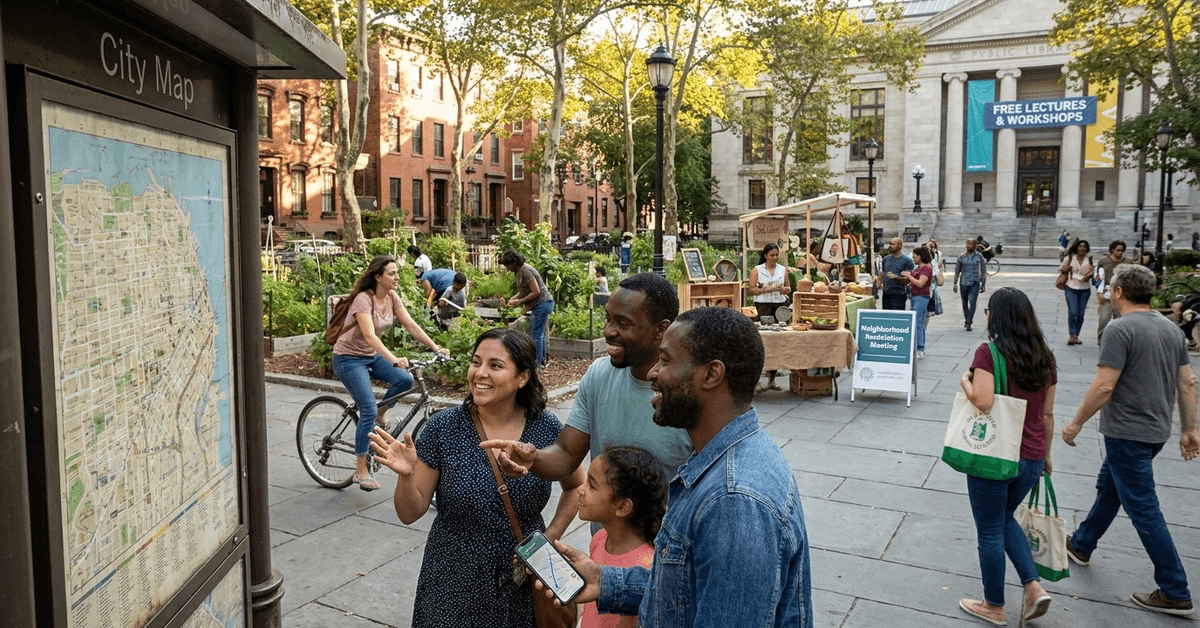
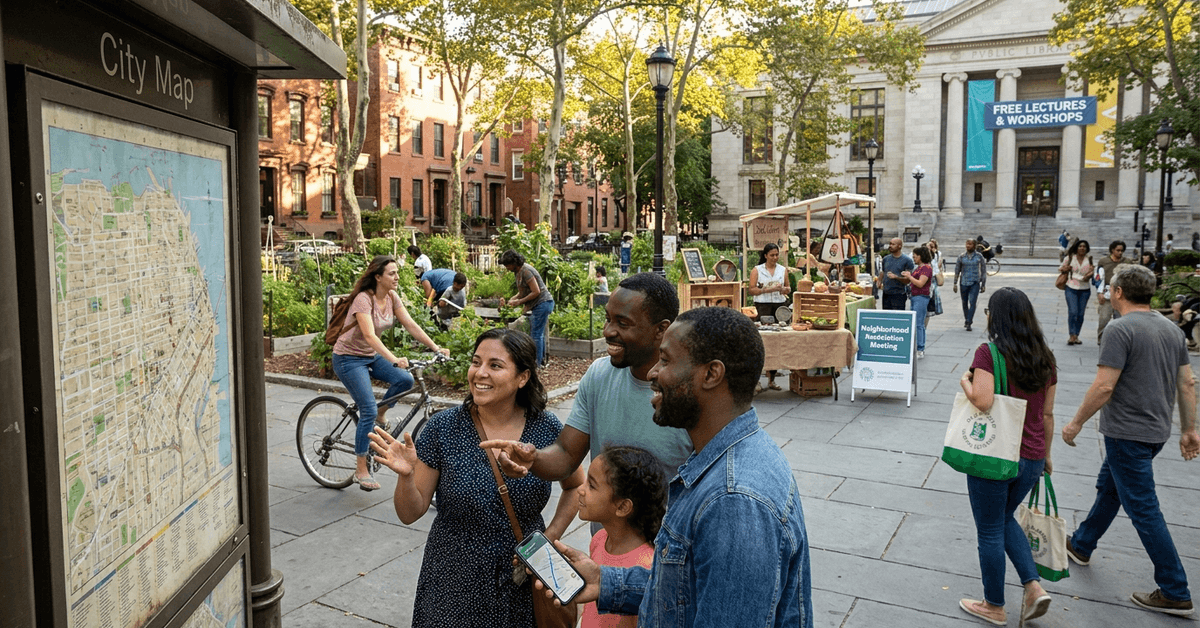
    Most cities like Paris, London, and Chicago have unique areas that reflect different cultures and histories. Exploring regularly brings new perspectives and experiences.
    The Ultimate Checklist for Becoming an Active, Cultured City Citizen
    • Pick a new neighborhood each month to visit.
    • Try different cuisines at local eateries.
    • Look for street art, local shops, or markets.

    Join Walking or Cycling Tours

    Guided tours, such as those from Free Tours by Foot, let locals rediscover hidden landmarks or learn fresh stories.

    • Check city calendars for guided group walks.
    • Download the GPSmyCity app for self-guided tours.

    Pursue Lifelong Learning

    Attend Free Public Lectures and Events

    Libraries and museums in cities like New York and Toronto often host free or affordable events. These include guest talks, film screenings, and workshops.

    • Follow library websites and Eventbrite for updates.
    • Subscribe to emails from your city’s major cultural centers.

    Engage with Community Classes

    Community colleges and local organizations offer adult classes. Many cover urban gardening, languages, or digital skills. It’s a realistic way to meet neighbors, too.

    • Check listings on Meetup.
    • Look for city-run adult learning programs.

    Use Smart City Apps and Tools

    Essential Navigation Apps

    Getting around easily is crucial. Apps like Citymapper or Google Maps help you compare travel modes, plan routes, and avoid delays in major cities.

    • Save bus and metro station locations for offline use.
    • Try apps specific to your city’s transit system.

    Discover Events and Pop-Ups

    Platforms such as Eventbrite or Fever curate up-to-date lists of gallery shows, food festivals, and meetups tailored to your city.

    • Set alerts for interests like jazz nights, open mics, or tech talks.
    • Browse community boards for smaller happenings.

    Support Local Arts and Culture

    Explore Theaters, Museums, and Galleries

    Major cities like Berlin or Melbourne often have monthly free admission days at major museums. Keeping an eye out lets you enjoy high culture affordably.

    • Visit museum websites for reduced-rate days.
    • Follow local galleries on social media for event invites.

    Participate in Urban Festivals

    Seasonal festivals, music events, or art fairs are common. Not every city has the same scale as New Orleans Mardi Gras, but most offer unique local gatherings.

    • Monitor city event listings and local media outlets.
    • Attend events outside your usual interests.

    Build Your Urban Network

    Creating a strong local network can make city life feel more welcoming and connected. Joining community groups or volunteering nearby introduces you to people who care about the same neighborhood, causes, or activities.

    Join Neighborhood Associations

    Neighborhood associations often organize civic events, block parties, safety updates, and local improvement projects. Cities such as Toronto and Houston have many resident-led groups that help people stay informed and involved.

    Attend an open meeting before making a larger commitment. This gives you a chance to understand the group’s priorities and meet current members. When in-person meetings are difficult, look for neighborhood forums, messaging groups, or social media pages.

    Volunteer Locally

    Volunteer opportunities may include food banks, community gardens, park cleanups, shelters, or youth programs. Platforms such as VolunteerMatch can help you search by location, schedule, and cause.

    Begin with a short-term activity to see what suits you. Choosing work connected to your interests makes participation more rewarding and increases the chance that you will continue.

    Cultivate Urban Wellness

    Maintaining physical and mental well-being in a busy city does not always require a gym membership or major lifestyle change. Simple habits, such as walking more often and spending time in green spaces, can make daily urban life healthier and more enjoyable.

    Practice Active Transport

    Walking or cycling supports physical health while allowing you to experience neighborhoods at a slower, more personal pace. Bike-friendly cities such as Amsterdam make this easier through protected paths and rental systems like OV-fiets. 

    In other locations, bike-share services can provide a convenient option for occasional rides without the cost of owning a bicycle.

    Try combining short walks with errands, commuting, or leisure activities. Choosing active transport for even part of a journey can add movement to your routine.

    Find Urban Green Spaces

    Parks, rooftop gardens, waterfront paths, and riverside walks provide a welcome break from crowded streets. Cities such as Singapore and Vancouver offer many accessible green areas.

    Use a city map app to locate nearby outdoor spaces. Keep a list of peaceful places on your phone and suggest relaxed meetups there with friends.

    Practice Responsible Citizenship

    Being a responsible city resident means staying aware of local concerns and making choices that support the wider community. Small, consistent actions can improve neighborhood life, strengthen public participation, and help create a cleaner urban environment.

    Stay Informed on Local Issues

    Follow trustworthy local journalism for updates on transportation, housing, public safety, community programs, and environmental concerns. 

    Sources such as NPR in the United States or The Guardian in the United Kingdom may provide useful coverage, but city newspapers and official government websites can offer more specific local information.

    Subscribe to neighborhood newsletters, city podcasts, or community alerts to receive regular updates. 

    When possible, attend open city hall meetings, public consultations, or local forums. These events allow residents to understand upcoming decisions and share their concerns directly.

    Embrace Sustainable Habits

    Simple habits such as carrying reusable shopping bags, composting food waste, and following local recycling rules can reduce your environmental impact. Most major cities publish waste and recycling guidance through official channels.

    Join neighborhood groups that discuss cleanup projects, gardening, or sustainability efforts. Choosing public transportation, cycling, walking, or shared rides can also reduce traffic and emissions while supporting a healthier city.

    Conclusion: Becoming Part of the City’s Pulse

    Thriving as an active, cultured city citizen is less about perfection and more about consistent engagement. Sometimes, it means stepping beyond familiar routines or trying something just a bit outside your comfort zone.

    These steps—exploring neighborhoods, pursuing learning, using smart tools, engaging with the arts, building real networks, and embracing responsible choices—create a deeper, meaningful connection with your city. 

    Every city has its own rhythm, but active participation is the pulse that brings it to life. The more you immerse, the richer your city experience becomes.
  • How to Document Your City Life Through a Daily Sketch or Photo Journal

    How to Document Your City Life Through a Daily Sketch or Photo Journal

    Documenting city life can uncover surprising details and capture unforgettable moments. A daily sketch or photo journal works well for creating a unique personal archive. Urban residents, tourists, and creatives can all benefit.

    This article explains how anyone can start a daily city journal, what tools truly matter, and how the right approach keeps you motivated. Whether you live in a bustling metropolis or a quiet neighborhood, these methods can transform your perspective.

    Why Documenting City Life Is Worthwhile

    A daily sketch or photo journal builds a visual memory bank. Street scenes are always changing—sketches or snapshots freeze those moments.

    How to Document Your City Life Through a Daily Sketch or Photo Journal

    Reflecting on your journal can spark ideas, sharpen your observation skills, and even support mindfulness. Sometimes, the act of slowing down enough to sketch or photograph is the real reward.

    Choosing Between Sketching and Photography

    Traditional sketching and digital photography each offer unique advantages. Deciding between them depends on your interests, time, and confidence in drawing or tech.

    Benefits of Sketch Journaling

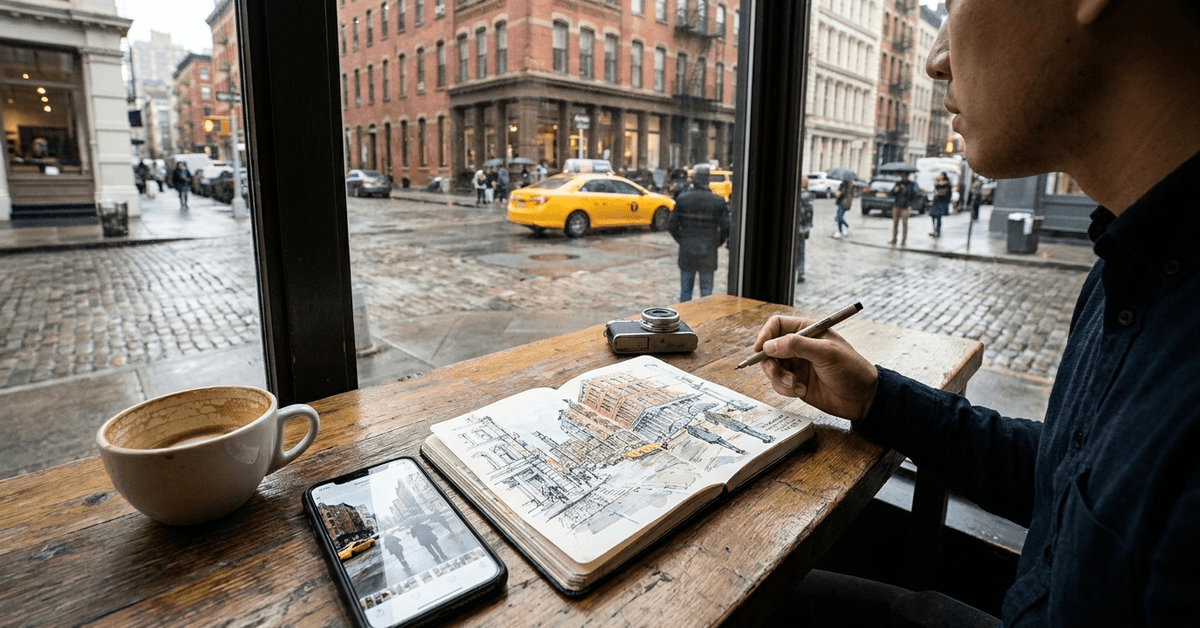
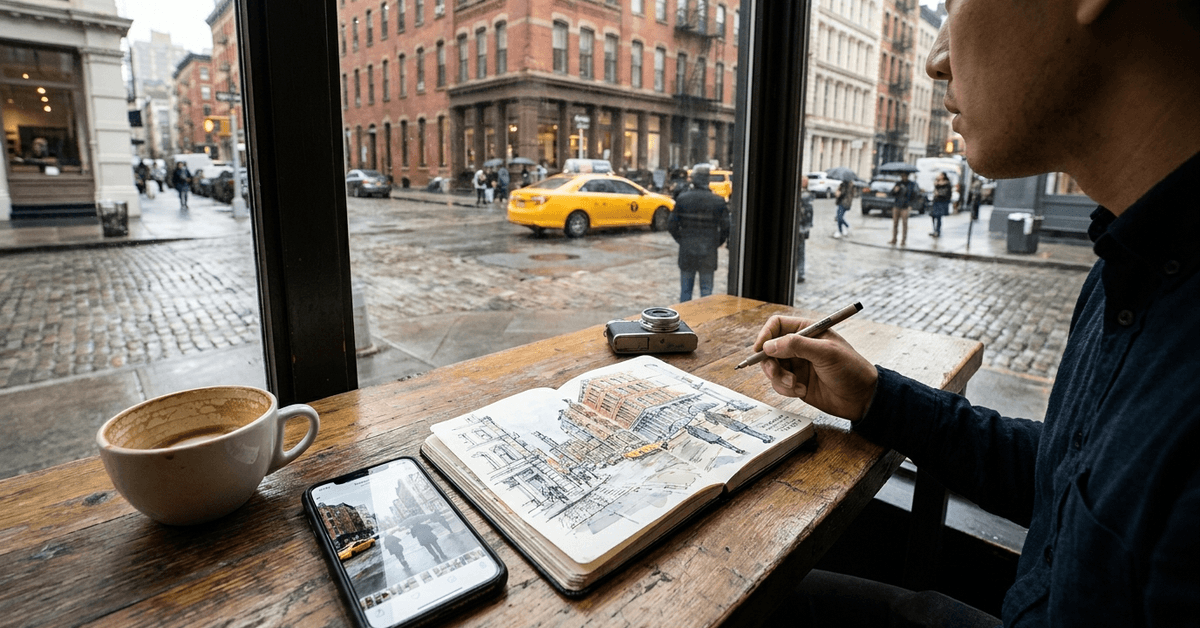
    Sketches are personal representations of scenes. They interpret mood, movement, and atmosphere.

    • Slows your experience, helping you notice subtle details.
    • Improves hand-eye coordination and focus over time.
    • Low-equipment: Usually just a notebook and a pen are needed.

    Benefits of Photo Journaling

    Photos quickly capture authentic urban life. Quality is not dependent on art skills—just observation and timing.

    • Allows rapid documentation of fleeting moments.
    • Easy to organize and share digitally.
    • Smartphones are often sufficient—no fancy camera needed.

    Essential Tools and Resources

    Best Supplies for Sketching

    A portable sketchbook is perhaps the most critical tool for daily urban journaling. Durable covers protect your work inside a backpack.

    • Pocket-sized hardcover sketchbook (like Moleskine or Leuchtturm1917)
    • Fine liner pen or mechanical pencil
    • Small watercolor set (optional for color washes)

    Best Apps for Photo Journaling

    Photo journals thrive with user-friendly apps. Instant uploads and geotagging bring out the best in urban photo logs.

    • Day One: Organize images by date, location, and tags
    • Evernote: Handy for adding notes to photos and syncing across devices
    • Google Photos: For easy storage and automatic backups

    Setting Up Your Journal Routine

    Finding Your Time and Place

    Success with journaling depends on realistic routines. Most people fit short sketch or photo sessions into lunch breaks, commutes, or city walks.

    • Pick a consistent time of day that matches your energy
    • Have supplies ready in your everyday bag or phone
    • Choose routes you normally walk to keep things convenient

    What to Capture: Urban Inspiration

    Cities like Paris, Seoul, and Chicago offer endless sketch or photo options. However, even quieter places have character—bus stops, street vendors, corner cafés.

    1. People: Unique street fashion, daily routines, city dwellers at work or play
    2. Architecture: Unusual doors, graffiti, hidden courtyards, skylines
    3. Nature: City parks, rooftop gardens, animals adapting to urban life

    Tips for Making Urban Journaling a Habit

    Urban journaling becomes easier when the routine feels flexible rather than demanding. The goal is to notice more about your surroundings, not to produce a perfect page every day.

    Keep Expectations Manageable

    Daily entries do not need to be polished. Some days may lead to a detailed sketch, while others result in a quick note, a blurry photo, or a single sentence.

    Focus on the habit of observing rather than the quality of the finished entry. Giving yourself permission to create imperfect pages makes it easier to continue.

    Use Small, Repeatable Prompts

    Simple prompts can remove the pressure of deciding what to document. Try recording one color, one sound, one sign, or one unexpected detail each day.

    Even a short entry can preserve a strong memory when it captures something specific.

    Add Stories, Not Just Images

    Photos and sketches become more meaningful when paired with context. Write down the weather, the mood of the street, a passing conversation, or a smell from a nearby café.

    Captions do not need to sound literary. A few honest words can bring the moment back more clearly later.

    Try Theme Weeks

    Themes keep the routine fresh and encourage you to explore familiar places differently. Possible ideas include “City Buses,” “Reflections,” “Doorways,” or “Neon Nights.”

    Join Creative Challenges

    Look for sketch walks, photo challenges, or local journaling groups. Online prompts and shared projects can provide motivation when your routine starts to feel repetitive.

    Exchanging ideas with other journalers may also introduce new techniques, neighborhoods, and subjects worth documenting.

    Sharing and Preserving Your Urban Journal

    An urban journal can become a lasting record of the places, people, and everyday details that shape city life. Choosing the right format helps you organize your work, share it with others, and preserve it for future reference.

    Use Instagram for Quick Updates

    Instagram works well for daily photo series, short captions, and location-based storytelling. Relevant hashtags can connect your posts with local artists, photographers, and neighborhood communities.

    Build Longer Projects on Behance

    Behance is better suited to polished visual projects, including sketch collections, architectural studies, and themed photography series. It allows creators to present work in a more professional and organized format.

    Create a Personal Blog

    A blog provides more space for detailed reflections, personal stories, maps, and longer descriptions. It also gives you greater control over how your journal is arranged and archived.

    Document the City Responsibly

    Ask Before Photographing People

    Request permission before taking close or identifiable photographs, especially when children are involved.

    Follow Local Photography Rules

    Street photography, private property, and commercial-use regulations vary between cities such as New York, Berlin, and Tokyo. Review local guidelines before publishing images.

    Protect Sensitive Information

    Keep entries private when they include personal addresses, routines, conversations, or information that could compromise someone’s safety or privacy.

    Conclusion: Make Urban Journaling a Lifelong Adventure

    Starting a daily sketch or photo journal reveals hidden aspects of your city life and fuels creativity year-round. Equipment is easy to carry, routines adaptable, and inspiration appears in the smallest corners—whether in vibrant cities or quiet towns.

    Looking back through months or years of entries can shape a deeper connection with your surroundings. 

    Maybe not every day will result in a masterpiece, but every effort matters. Journaling urban life offers something lasting for anyone willing to pause and look closer.

  • How to Research Local Events Before Visiting a New Town

    How to Research Local Events Before Visiting a New Town

    Exploring a new town is exciting, but finding real local events can feel overwhelming. This guide outlines practical methods for discovering events that match your interests. 

    It is ideal for travelers, day-trippers, or anyone planning a city adventure and seeking cultural immersion and authentic experiences.

    Why Research Local Events Before Your Trip?

    Planning ahead increases the chances of attending unique happenings. It can also save time and help avoid disappointment upon arrival.

    Another benefit is that advance research usually exposes lesser-known activities. Tourists often miss these, but locals consider them highlights.

    How to Research Local Events Before Visiting a New Town

    Start With Official City Sources

    Visit the City’s Official Event Calendar

    Many cities have dedicated event sections on their government or tourism websites. For example, NYC Official Guide has an updated calendar for New York City events.

    Similar official sites for Paris, Berlin, and Toronto offer curated listings. A quick web search for “city name + official events” is effective.

    Tourist Information Centers Online

    • Official websites often highlight seasonal festivals, free exhibitions, and local traditions.
    • In some cities, free downloadable event brochures are available in advance.

    Leverage Event Aggregator Platforms

    Check Top Event Apps

    Technology can streamline the search process. Well-established event apps and platforms help pinpoint happenings across a city.

    Some examples are:

    • Eventbrite (global cities, ticketed and free events)
    • Meetup (community-driven meetups for hobbies, language exchange, or local networking)
    • Time Out (curated city guides with local insight)

    Filter by Date, Category, or Neighborhood

    Most event sites allow filters to match your travel window and interests. Narrowing choices can quickly reveal concerts, markets, gallery openings, or festivals.

    Use Social Media Smartly

    Facebook Events

    Facebook is one of the best platforms for finding authentic, real-time events in almost any town.

    Entering the destination and dates in the Facebook Events search bar brings up listings by popularity and distance from your chosen area.

    Try Local Hashtags and City Groups

    Popular hashtags, such as #LondonEvents or #AmsterdamNightlife, can uncover local gatherings. City-based Facebook or Reddit groups often share up-to-the-minute event tips.

    Instagram Stories and Highlights

    Some event venues post their line-ups in stories or highlights. Checking tagged locations in Instagram photos is another quick research trick.

    Check Local Media and Publications

    Newspapers and Magazines

    Physical and digital local publications frequently list a week’s worth of activities. For example, Timeout London is popular for Londoners.

    Small cities often publish event roundups in their weekend or cultural sections.

    Community Radio or Podcasts

    • Radio stations promote town-wide gatherings, markets, or musical acts.
    • Podcasts for cities such as Berlin or San Francisco often have an “upcoming events” segment.

    Explore Venue and Attraction Websites

    Major and Minor Venues

    Museum, gallery, and music venue websites publish their own event calendars. For example, MoMA in New York and Musee d’Orsay in Paris update schedules weekly.

    Independent cinemas, community centers, and small bars often announce open mics, workshops, or night markets too.

    University and Cultural Institutions

    Universities post public lectures, art shows, or seasonal fairs. Event pages for these sites often welcome travelers and community guests.

    Utilize Local Forums and Community Boards

    Neighborhood Blogs and Reddit Threads

    Local blogs detail upcoming events that aren’t on larger platforms. A city’s subreddit or Nextdoor area group also gives real residents’ event suggestions.

    Physical Event Boards

    Cafes, libraries, or bookstores have bulletin boards listing workshops, readings, or pop-ups.

    Although digital methods feel faster, sometimes a quick scan of a board reveals exclusive, hyper-local affairs.

    Go Beyond the Obvious: Deep-Dive Research

    Major event calendars are helpful, but they often miss temporary, neighborhood-based, or newly announced activities. Looking beyond the most visible listings can lead to more original and memorable experiences.

    Look for Seasonal and Hidden Gems

    Many cities host short-term food markets, flower festivals, craft fairs, outdoor performances, and cultural pop-ups that may not appear on large tourism websites. 

    Search phrases such as “pop-up events” followed by the city name, neighborhood, or travel dates.

    You can also ask in local online groups what is happening that weekend. Recent posts often reveal community events, temporary exhibitions, or markets announced only a few days in advance.

    Ask Locals Directly

    A polite conversation with a barista, shop owner, hotel employee, or hostel receptionist can uncover activities that are difficult to find online. 

    Locals may know about spontaneous concerts, neighborhood celebrations, street performances, or newly opened venues.

    Ask specific questions about your interests rather than requesting general recommendations. This makes it easier for people to suggest something relevant and current.

    Step-by-Step Guide to Efficiently Researching Events

    Finding worthwhile events in a new city becomes much easier when you use several reliable sources instead of depending on one platform. 

    A simple research routine can help you discover major attractions, local gatherings, and last-minute opportunities that match your interests and schedule.

    Define Your Interests and Dates

    Start by listing the types of experiences you want, such as concerts, art exhibits, food festivals, sports, markets, or neighborhood tours. Add your available dates and preferred times so you can quickly remove unsuitable options.

    Check Official City Calendars

    Visit the official city or tourism board website first. These calendars often feature large public events, seasonal celebrations, museum programs, and family activities. Official listings may also include road closures, ticket details, and accessibility information.

    Search Popular Event Apps

    Use platforms such as Eventbrite, Meetup, and Time Out. Apply filters for location, category, date, cost, and event format. Save promising options and compare them before booking.

    Explore Social Platforms

    Search Facebook’s Events section using the city name and your travel dates. Review recent posts in neighborhood groups or city subreddits, where residents often share smaller events and current recommendations.

    Review Venue Calendars

    Check the schedules of major theaters, galleries, music venues, stadiums, and cultural centers. Some performances or temporary exhibits may not appear prominently on general event apps.

    Look at Local Media

    Community radio programs, city magazines, local newspapers, and event newsletters can reveal new openings, interviews, and weekend recommendations.

    Search Again After Arrival

    Look for bulletin boards at hotels, hostels, cafés, libraries, and visitor centers. Flyers and posters may advertise pop-ups, workshops, markets, or performances that were announced too late to appear in your earlier research.

    Conclusion

    Researching local events before visiting any new town transforms a simple visit into a memorable experience. Using official city sources, event apps, and social media uncovers both high-profile and hidden happenings.

    Local publications and community boards provide a personal touch, revealing what residents love most. Combining multiple strategies ensures a diverse itinerary, packed with genuine, local flavor.

    With the right planning and curiosity, a trip can go beyond sightseeing and become an immersion in a city’s unique rhythm.