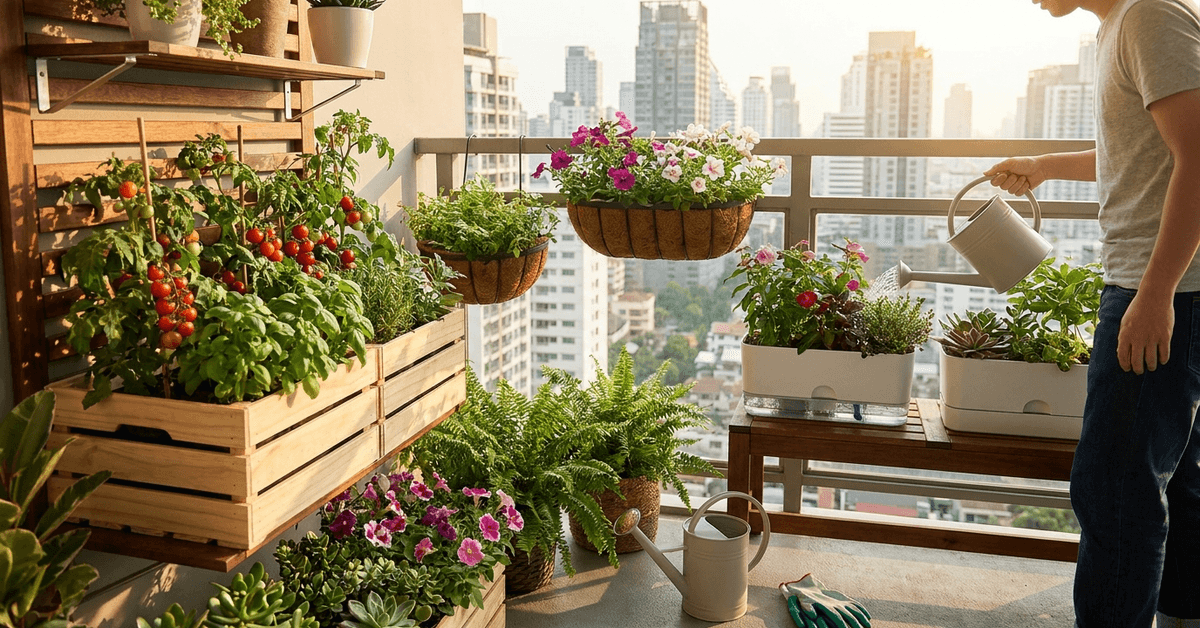
Urban living in high-rise apartments often seems at odds with gardening. Yet, a vibrant balcony garden is possible in cities like New York, Toronto, or Singapore.
Anyone with some outdoor space can transform it into a green retreat. The results? Fresh herbs, colorful flowers, and a daily oasis, just steps away.
Benefits of Balcony Gardening in High-Rise Apartments
Balcony gardens offer more than beauty. They boost well-being and bring fresh air into city homes.
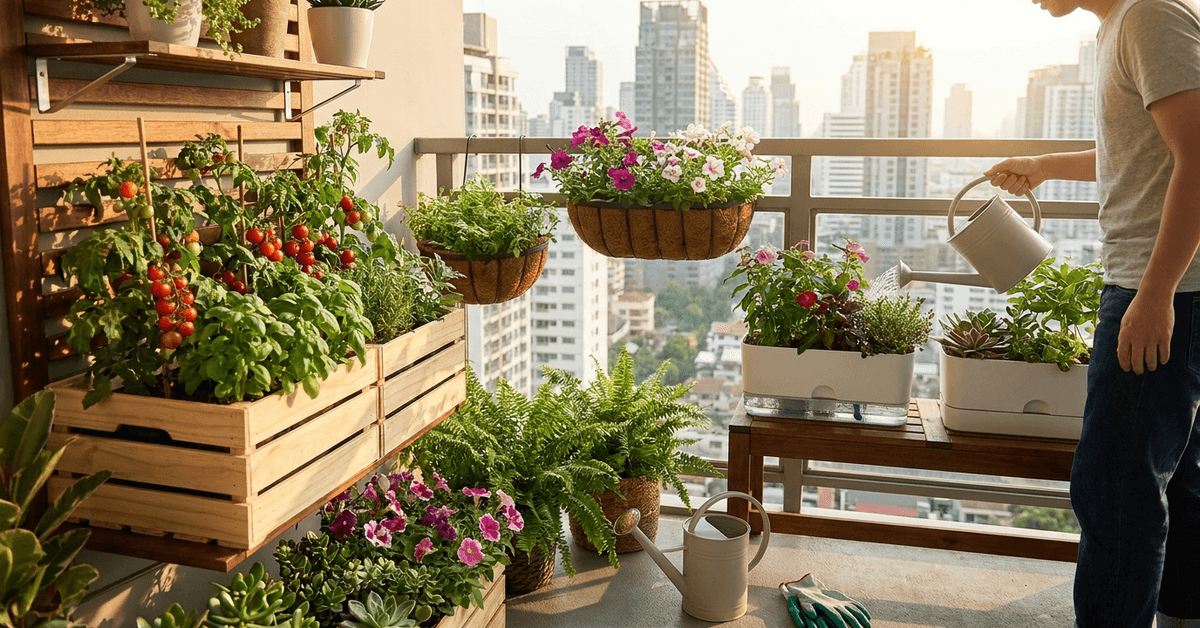
A small garden can reduce stress and help purify the air, which often feels essential in cities where pollution is common.
This tiny ecosystem even attracts pollinators—think bees and butterflies—if local climate allows.
Planning Your Balcony Garden
Assessing Sunlight and Space
Success depends on sunlight. SunCalc is a helpful app for mapping how much sun your balcony receives daily.
Northern-facing balconies stay cool and shady for most of the day. Southern exposures get the most brightness, which matters for tomatoes, peppers, or basil.
Measuring and Setting Boundaries
Measure your usable space. Check how much weight your balcony can safely handle. Building codes in cities like Chicago or Sydney often limit total load.
Balconies with overhangs get less rain, so waterproof trays and pots become important to prevent water damage below.
Choosing Containers and Soil
Container Types
Lightweight plastic or resin planters are practical. Ceramic or terracotta look stylish but can be heavy for high balconies.
Self-watering containers, like those from Lechuza, help keep plants hydrated, which is especially useful if you’re busy.
Soil and Drainage
Use a high-quality potting mix for most balcony gardens. Avoid using garden soil, as it gets compacted and drains poorly in pots.
An inch of gravel or pebbles at the bottom improves drainage. Consistent watering helps, but overwatering can cause root rot.
Selecting the Best Plants for Balcony Gardens
Edible Choices
Many herbs tolerate city conditions. Basil, chives, parsley, and mint grow well in pots, even with partial sun.
Certain vegetables also suit balconies. Cherry tomatoes, lettuce, and radishes require shallow containers and less space.
Flowers and Foliage
Petunias and marigolds add color. Ferns and ivy thrive in shade, creating a soft, green look on north-facing balconies.
If privacy is needed, tall grasses or small bamboos form natural, leafy screens.
Climate-Adapted Plants
For climates with wind or salt exposure (such as coastal high-rises), succulents like sedum or jade are hardy choices.
When winter comes, portable pots can be taken indoors, extending your growing season.
Setting Up Your Balcony Garden
Step-by-Step Guide
- Test sunlight using SunCalc or by observing daylight patterns for a full week.
- Measure space and pick lightweight, sturdy containers best suited for your balcony size.
- Choose potting mix with slow-release fertilizer for long-term nourishment.
- Select easy-to-grow plants based on your climate and sun exposure.
- Arrange plants to maximize airflow and prevent mildew.
- Set up a consistent watering schedule, using apps like Waterbot as reminders.
- Monitor for pests and diseases with regular checks.
- Rotate containers regularly to ensure even sun for all plants.
Maintenance and Troubleshooting
Watering Challenges
Windy high-rise balconies can dry out soil quickly. Self-watering pots or drip irrigation sets (like CitySens) are effective for busy people.
During summer, watering two times a day may be necessary. Caution is key not to forget, as balcony plants have little soil to buffer neglect.
Dealing With Pests
Aphids and spider mites sometimes invade. Organic sprays or simple solutions like a damp cloth work for most cases.
Pest observation apps, such as Plantix, can help identify issues faster.
Seasonal Adjustments
Most balcony gardens need transitions during winter. Portable containers can move indoors, or gardeners can switch to cold-tolerant plant varieties.
Insulate pots with bubble wrap or bring in tender species when temperatures drop below 5°C (41°F).
Maximizing Harvest and Aesthetic
Succession Planting
Growing crops in staggered intervals ensures a steady supply. For example, sow radishes every two weeks for multiple harvests.
Vertical Gardening
Limited space shouldn’t prevent expansion. Vertical garden racks and hanging planters multiply usable areas and look stylish too.
Creative Touches
Solar fairy lights, small water features, or colorful pots instantly enhance atmosphere. Avoid overcrowding, as too many decorations can limit airflow and sun.
Balcony Garden Safety and Regulations
Building Codes and Permissions
Always check guidelines from city government or building management before starting. Some cities, including Hong Kong and Vancouver, restrict plant height and installation of heavy fixtures.
Insurance clauses may prohibit balcony irrigation systems or large structures, so double-check policies or ask property staff.
Neighbor Considerations
Water runoff and falling debris could disturb those living below. Tray catchers under each pot help prevent complaints.
Fire Safety
Local laws may prohibit barbecues or open flames. in outdoor spaces. Focus on safe elements, like LED lighting, rather than candles.
Useful Apps and Tools for Balcony Gardeners
Digital tools can simplify balcony gardening by helping you monitor sunlight, identify plant problems, and stay on top of regular care. Using a few reliable apps can make maintaining healthy plants much easier.
Track Sunlight
SunCalc helps estimate how sunlight moves across your balcony throughout the day. This makes it easier to position plants according to their light requirements and adjust placements as seasons change.
Identify Pests and Plant Problems
Plantix can help identify common pests, diseases, and nutrient deficiencies by analyzing photos of affected plants. It also provides suggestions for possible treatments and prevention.
Remember Watering Schedules
Waterbot sends reminders based on your watering routine, reducing the chance of forgetting plants during busy weeks or vacations.
Simplify Irrigation
CitySens offers low-maintenance irrigation solutions designed for small urban gardens. Automated watering systems can help maintain consistent soil moisture, making balcony gardening more convenient while reducing water waste.
Conclusion
High-rise living doesn’t have to mean a sacrifice in green space. With thoughtful planning and the right mix of tools and plants, almost any balcony can become a productive garden.
Practical steps—like choosing smart containers, using reliable apps, and rotating crops—help maximize limited space. Even small efforts can result in a remarkable harvest.
While city regulations and climate bring a few restrictions, most obstacles have straightforward, creative solutions.
Perhaps the biggest reward? Enjoyment. A balcony garden is not just about produce or blooms, but about carving a place of calm and connection to nature in the midst of urban life.