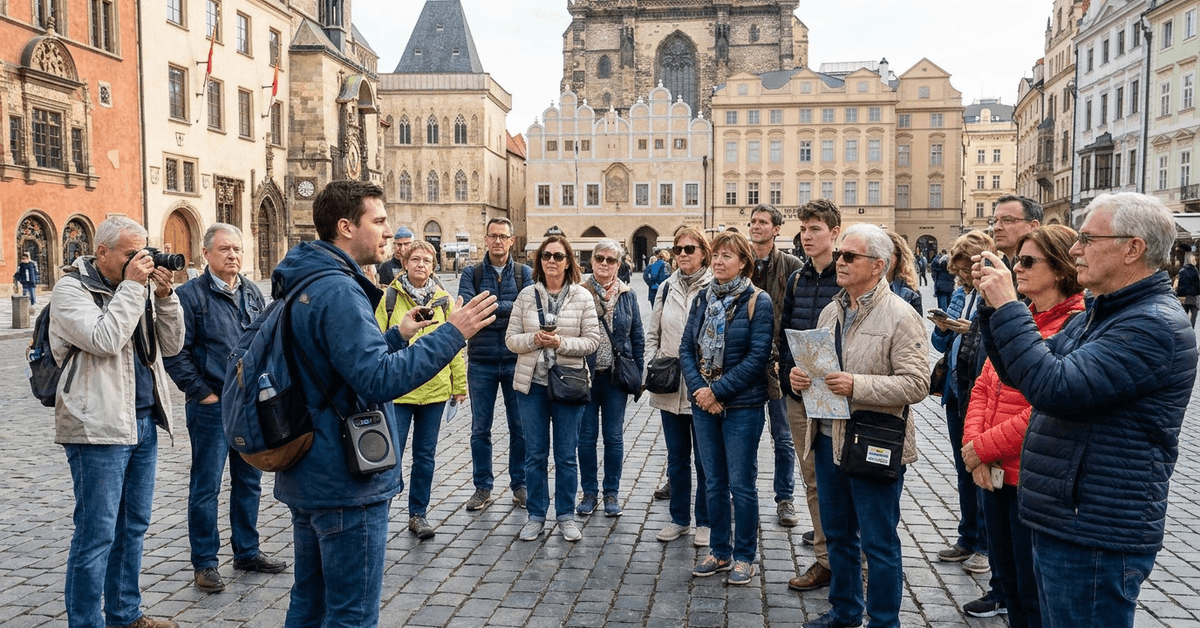
Exploring a new city or diving deeper into your own has never been more accessible. Free walking tours and historical groups open the door to authentic experiences, even for those on a tight budget.
This guide offers practical steps to connect with these communities. It is designed for city dwellers, travelers, and lifelong learners looking for meaningful, low-cost ways to enrich their urban adventures.
Understanding Free Walking Tours
Free walking tours are guided group walks led by locals. They operate on a ‘pay-what-you-want’ basis, so you can join even if your budget is limited.
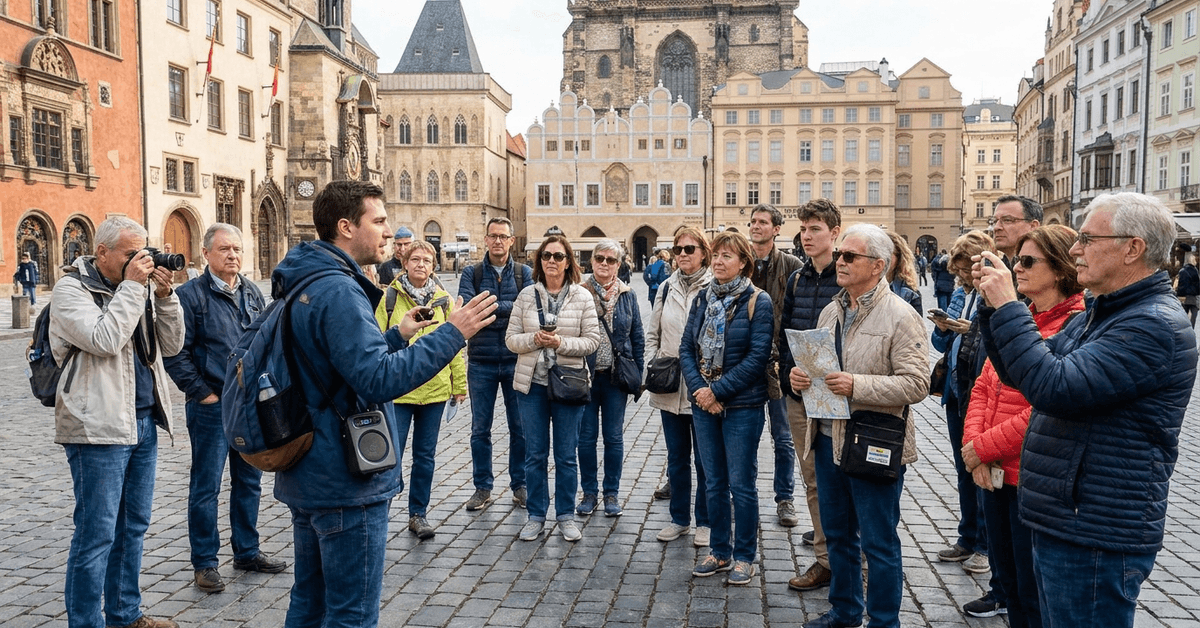
How Free Tours Work
Typically, guides meet participants at a public spot, such as a plaza or major landmark. Tours last from one to three hours, covering highlights and hidden stories.
At the end, tips are optional but appreciated. There’s no fixed fee, making these tours accessible to almost everyone.
Major Cities Offering Free Tours
- Sandemans New Europe operates in cities like Berlin, Paris, and Madrid.
- Freetour.com connects travelers with local guides in cities from Prague to Barcelona.
- GuruWalk starts tours in Budapest, London, and Latin American capitals.
Large metropolitan areas tend to have daily departures, but even smaller cities may offer regular tours in summer.
Finding Walking Tours Near You
Using Online Platforms
Free walking tours are usually easy to find online. The best starting point is Freetour.com, which aggregates listings globally.
- Visit the site and enter your city.
- Review available guides, schedules, and languages.
- Book your spot instantly or contact the tour host if not required.
Exploring Social Media Groups
Facebook and Meetup.com allow locals and travelers to post tour details. A quick search for “free walking tour + city name” often reveals recent listings.
It’s not uncommon to find one-off neighborhood tours or theme-based walks organized by enthusiasts.
Checking Tourism Office Listings
Many tourism boards publish updated event calendars, including free group walks. These are often reliable for last-minute information or special events.
Joining Historical Groups in Urban Areas
Community Historical Societies
Local historical societies offer regular guided walks, lectures, and group discussions. Membership is usually low-cost, and some events are free.
In New York, the Municipal Art Society organizes historic architecture walks. London’s Historical Association hosts regular city history events.
University Extension and Adult Education Programs
Many cities partner with universities or adult learning centers to offer community classes and outings. These programs often include walking tours and are open to the public.
- Check university websites for community education schedules.
- Look for listings under ‘history’ or ‘urban studies’ topics.
Meetup Groups Focused on History
Meetup.com is a reliable source for niche urban history walk groups. Some groups, like Historical Walks in Paris or Urban Heritage Singapore, organize regular free gatherings.
How to Prepare for Your First Tour
- Wear comfortable shoes suited for several hours of walking.
- Check the weather and bring a light jacket or umbrella if needed.
- Arrive early. Guides often identify themselves with a distinctive sign or badge.
- Bring a bottle of water and a snack for longer tours.
- Carry cash or mobile tipping options (sometimes expected at the end).
- Keep your phone charged for maps and group communications.
Benefits of Joining Free Walking Tours
Local Insight and Unique Stories
Guides often share personal anecdotes and cultural facts you won’t find in guidebooks. Every walk feels unique, depending on the guide’s style and passion.
Meet Like-Minded Explorers
Group walks attract curious people from around the world, fostering spontaneous connections and new friendships.
Flexible Scheduling and Routes
With no mandatory sign-up fee, you can pick and choose tours that fit your mood or schedule. Some even offer multiple themes (art, food, hidden gems) in one city.
Etiquette and Safety Tips
Following basic etiquette and safety practices helps create a positive experience for everyone on a guided tour. Respectful behavior also allows the guide to share information clearly while keeping the group organized.
Respect the Guide and Group
Arrive on time and listen carefully during explanations. Avoid interrupting, speaking loudly, or blocking other participants’ views. Stay with the group, particularly in crowded city centers, unfamiliar neighborhoods, or areas with heavy traffic.
Follow Local Rules
Observe all instructions regarding photography, restricted spaces, and private property. Some historic or religious sites may limit cameras, food, or access to certain areas. Avoid touching displays or entering closed sections.
Show Appreciation
When tipping is customary and your budget allows, consider rewarding the guide for a helpful and enjoyable experience. A positive review can also support local tour operators.
Prioritize Personal Safety
Remain aware of your surroundings and keep valuables secure. Trust your instincts if a location or situation feels unsafe. It is always acceptable to leave the tour and move to a secure, populated place.
Popular Apps and Resources
Smartphone apps can help you discover and join walks with ease. The top recommendation is Eventbrite for finding events and walking groups in real time.
Other helpful apps include Meetup, Google Maps (for saved walking routes), and Culture Trip for curated city stories. Combining these tools offers more flexibility and last-minute options.
How to Stay Informed About New Tours
Keeping up with new tours helps you discover fresh experiences and seasonal events. A few reliable sources can ensure you never miss upcoming opportunities.
Subscribe to Local Updates
Sign up for newsletters from city tourism offices, museums, or historical societies. These often announce new walking tours, exhibitions, and special events before they are widely promoted.
Follow Online Communities
Follow local social media pages, community groups, and event blogs for timely announcements. Many organizers also share last-minute tours and limited-capacity events online.
Learn From Other Participants
Talk with fellow tour members or local residents. Their recommendations may introduce you to lesser-known tours, neighborhood events, or newly launched experiences worth exploring.
Practical Considerations for Urban Explorers
Cost and Accessibility
Although walking tours are free, budget for occasional transport or small donations. Many groups offer accessible routes, but checking ahead is wise if you have mobility needs.
Language Options
Major cities offer tours in multiple languages. If English tours are limited, try searching in local or regional languages for more options.
Weather and Seasonality
Some tours only operate from spring to fall. Always confirm times and availability before heading out, especially during holidays or local festivals.
Conclusion
Free walking tours and historical groups create a bridge between locals and explorers, making city history vivid and social. The experience is shaped by the guides, the group, and sometimes, the city’s particular mood that day.
Each walk can become a story of its own. With new friends, fresh perspectives, and richer knowledge, exploring your city—or a new one—gains new meaning, no matter your budget or prior experience.