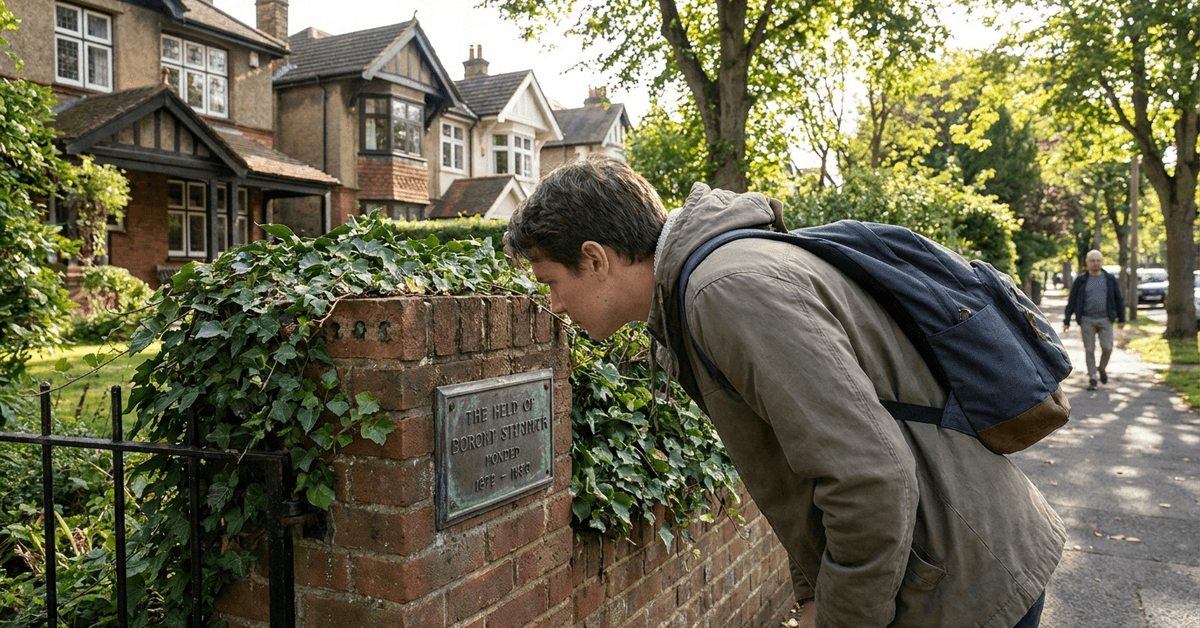
Uncovering local history is both fascinating and surprisingly accessible. Many residential streets are rich with overlooked details, from discreet plaques to obscure hidden landmarks.
This guide is for anyone curious about their surroundings and eager to bring the past to life at street level. The key benefit is practical: a deeper connection to where you live, using easy-to-follow tools and straightforward research techniques.
Why Seek Out Plaques and Landmarks Near Home?
Most people walk by pieces of local history every day without noticing them. Historical plaques and subtle monuments tend to blend into the background.
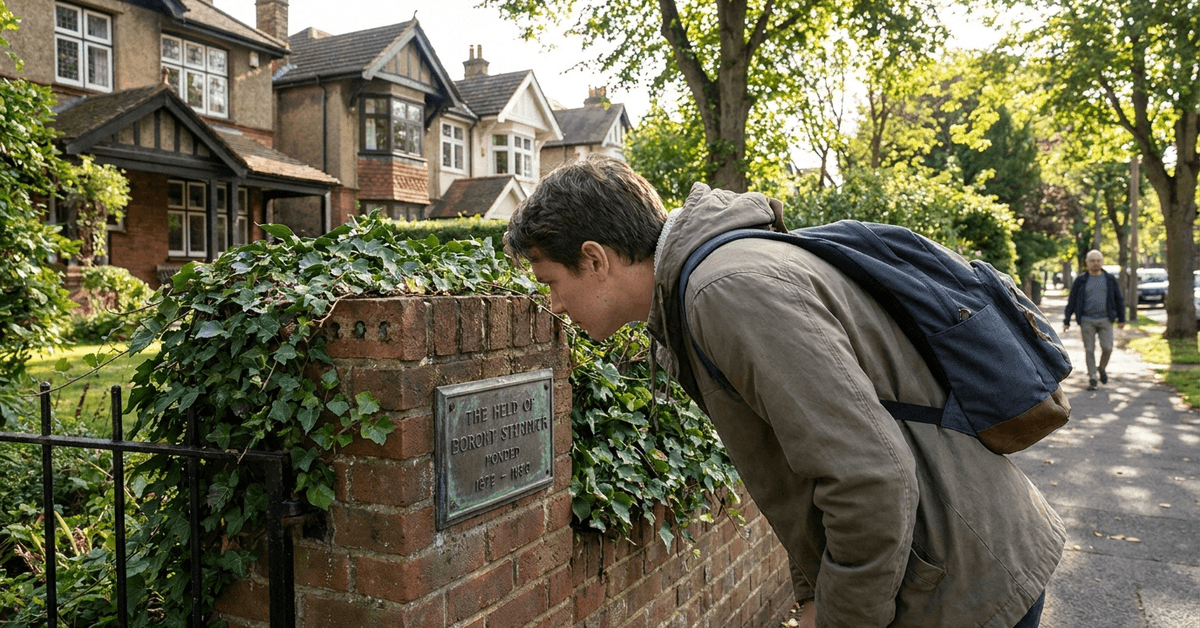
Recognizing these markers builds neighborhood pride and can uncover surprises: maybe a famous writer once lived on your block or a major event unfolded at a now-ordinary corner.
What Qualifies as a Hidden Landmark?
The obvious markers are large statues or official heritage buildings. However, many cities preserve lesser-known sites using small signs, embedded stones, or even public art.
Plaques
Plaques often appear on house walls or fences, installed by historical societies or the city itself. The English Heritage Blue Plaques in London are classic examples.
Stones and Sidewalk Markers
Some cities use brass markers or engraved sidewalk tiles. Berlin’s Stolpersteine project, for instance, embeds small brass plates as memorial stones right into pavements across many neighborhoods.
Unusual Structures
Victorian lampposts, ancient boundary markers, and repurposed utility buildings sometimes have heritage signs on or near them. Montreal and Boston both offer great examples.
Memorial Trees and Benches
Commemorative trees and benches usually include metal labels telling a story—sometimes tucked away in local parks, sometimes in surprising urban places.
First Steps: Looking for Local Clues
It helps to start by walking your street with slow intent, observing what others overlook. A notebook or your phone can be a useful companion for notes and photos.
- Check building facades for small round or rectangular plaques near eye level.
- Look at fence posts, gate pillars, and old doorways for engravings.
- Pause at intersections for ground markers or faded inscriptions.
These clues might not always be obvious. The details often hide behind overgrown plants, street furniture, or even new signage.
Best Digital Tools and Apps for Urban Plaque Hunting
Historic Marker Databases
A leading online resource is the Historic Marker Database. It covers cities across North America and parts of Europe, letting users search plaques by address or neighborhood.
Google Maps and Street View
A common approach is to use Google Maps’ Satellite View to spot historic buildings or park clusters. Street View lets you browse facades for visible plaques from your desk—no walking required.
Local Council and Library Websites
Municipal heritage boards often publish lists or interactive maps. Toronto’s Heritage Property Search and New York City Landmarks Preservation Commission are reputable, practical examples.
City Walk Apps
Some cities have their own apps. For example, London’s Blue Plaques app and Amsterdam’s MuseumApp help guide users to hidden gems. Many are free and require minimal setup.
Joining Local Walks and Guided Tours
Many community organizations and historical societies host walking tours focused on local stories.
- Neighborhood history clubs post events on Facebook and Meetup.
- Look for city-sponsored guided tours or open door days.
Joining a group both educates and connects you with more experienced locals—who often know undocumented tidbits.
Documenting Your Finds
Once you uncover a plaque or feature, a simple documentation process makes it easier to share discoveries.
Photo Journals
Snapping phone photos is quick. Adding descriptions with addresses turns your album into a searchable record.
Online Contribution
Many databases accept user submissions. For example, new plaque photos can be uploaded to the Historic Marker Database. This helps others and builds a public resource.
Personal Maps
Apps like Google My Maps let users drop pins on finds for repeat visits or to plot a historical tour for friends.
Legal Do’s and Local Etiquette
Respect Public and Private Property
Plaques are usually on public buildings, but private homes may also have them. Appreciation should always happen from the sidewalk. Avoid entering driveways or restricted spaces.
Photograph Only What is Clearly Visible
It is best to take pictures from public ground and not peer into private yards or windows, even for historical features.
Follow City Rules for Tours
If a location is closed to the public, note it, but do not attempt entry. Many interesting plaques are visible from the street anyway.
Case Studies: Notable City Programs
London Blue Plaques
London’s English Heritage Blue Plaques program began in 1866. Famous homes are marked where public figures lived or events occurred. The official app provides a searchable map with background stories.
New York City Landmarks
The New York City Landmarks Preservation Commission lists over 37,000 landmarked properties. Many have physical bronze or enamel plaques, often on the Lower East Side and Greenwich Village.
Berlin’s Stolpersteine
This ongoing memorial places brass “stumbling stones” commemorating Holocaust victims. The project covers thousands of addresses, mapped online for public exploration.
Melbourne Historical Markers
Australia’s capital city places detailed informational signs at sites from gold rush-era pubs to old theatres. The city council website offers downloadable walking maps and event dates.
Building Your Own Neighborhood Heritage Walk
Creating a self-guided heritage walk is a meaningful way to explore local history and share what you discover with others. By connecting several landmarks into one route, you can turn simple research into a memorable neighborhood experience.
Choose a Clear Theme
Start with a focused topic such as artist homes, abolition history, industrial roots, immigrant communities, or historic architecture. A clear theme gives the walk structure and helps each stop feel connected.
Map the Route
Plot each location on a digital or printable map. Arrange the stops in a practical order so the route is easy to follow and does not require unnecessary backtracking.
Add Stories to Each Stop
Use your notes, photographs, library research, or local archives to create short anecdotes for every location. Keep the details brief, interesting, and easy to understand.
Invite Others to Join
Share the route with friends, family, or neighbors. Exploring together can strengthen local pride, encourage conversation, and even lead to new friendships within the community.
Conclusion
Exploring historical plaques and hidden landmarks is one of the most rewarding and educational ways to interact with your own city. The history beneath our feet is rich, diverse, and waiting—sometimes silently—for discovery.
Approaching these explorations with curiosity, respect for property, and reliable tools allows anyone to create meaningful connections with their neighborhood.
The practice uncovers personal stories, forgotten events, and architectural secrets, all just steps from your front door.