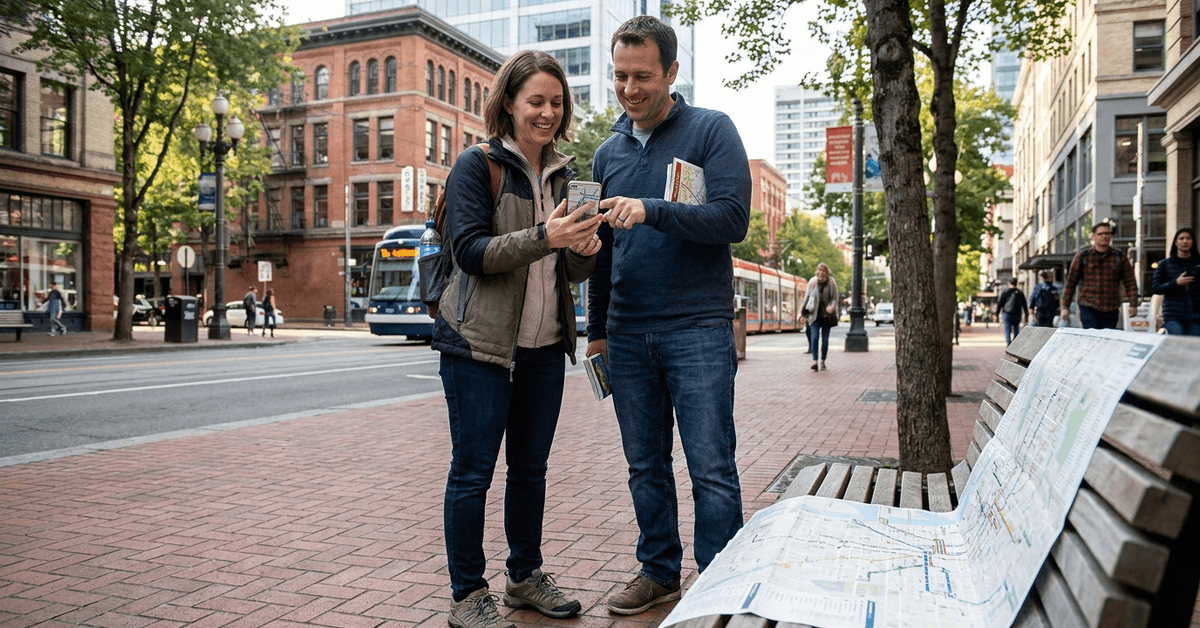
Day trips can be the quickest route to breaking routine and exploring urban gems, but even seasoned city lovers can slip up. Planning a successful day out often means avoiding traps that waste time and sap energy.
This guide focuses on five frequent day-trip mistakes and realistic ways to sidestep them. Whether discovering new neighborhoods in Paris, diving into museums in Berlin, or chasing hidden eats in Barcelona, small missteps often turn a dream outing into a slog.
Urban explorers, commuters, and city newcomers all stand to benefit from a bit of caution and preparation.
Poor Time Management
Miscalculating how long things will take is one of the easiest ways to derail a city day trip.
Underestimating Transit Times
It is common to assume metros or buses in cities like London or New York always run like clockwork, but delays happen.
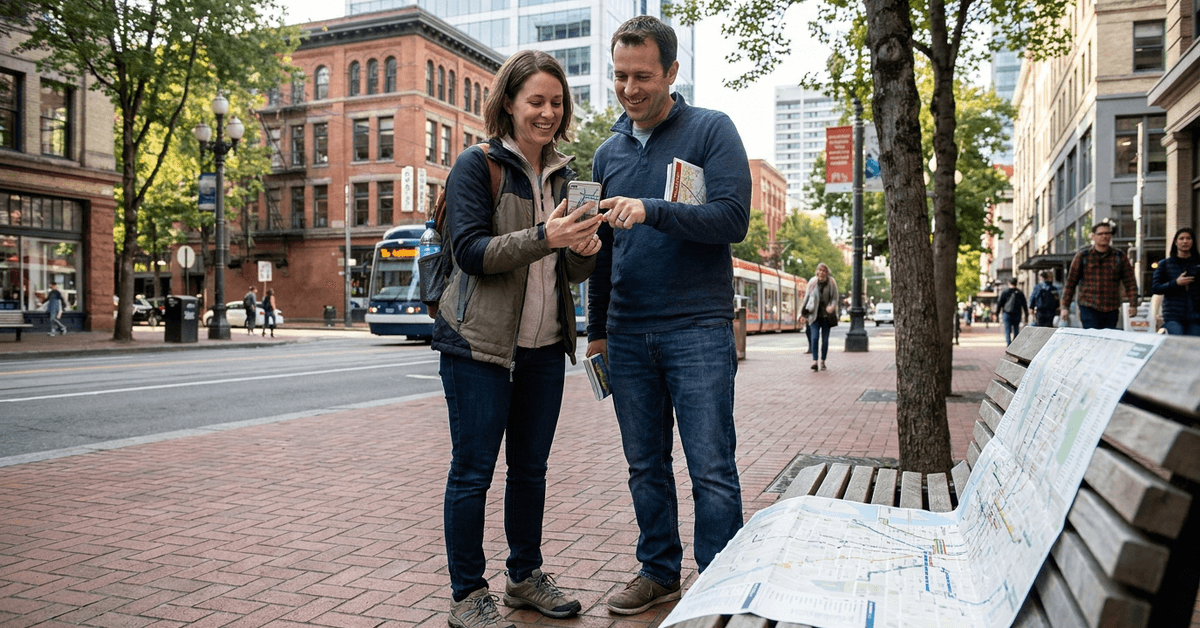
- Citymapper helps check live transit updates and estimate arrivals accurately.
- Factoring in transfer times and walking distances prevents rushed stops.
In some cases, unexpected runs between train platforms can eat up your break.
Overscheduling Activities
Packing the day with back-to-back sites often leads to skipping spots or cutting enjoyment short.
- Choosing 2-3 top priorities rather than 6-7 ensures time to relax between highlights.
- Leaving space for spontaneous detours makes the experience less stressful.
Insufficient Research
Showing up at a museum on closing day or expecting street food vendors before noon are avoidable let-downs.
Missing Opening Hours
Checking maps or Google listings seems obvious, but schedules in cities like Rome or Amsterdam change seasonally and for holidays.
- Double-checking official websites for hours and ticketing options is always safer than relying on secondary sources.
- Keeping a quick note of backup attractions nearby helps if plans fall through.
Sometimes, attractions reopen later than listed after renovations, as happened with the Rijksmuseum in Amsterdam.
Skipping Local Event Calendars
Overlooking festivals, demonstrations, or special closures can result in major crowds or empty squares.
- Eventbrite and local tourism board calendars often list events that affect public access.
- Popping onto city social media pages gives a sense of what locals are planning—sometimes markets or road closures only get announced late.
Poor Budget Planning
Underestimating the costs of a city day can lead to running out of cash or skipping key experiences.
Ignoring Hidden Expenses
Popular cities like Barcelona often have small entrance fees, tourist taxes, and tipping customs that add up quickly.
- Tracking average admission prices and daily meal costs with Numbeo avoids surprises.
- Carrying both a contactless card and cash ensures flexibility for metro machines or local markets.
Skipped lunches or frugal stops rarely create memorable stories, though balancing splurges can be a bit tricky at times.
Overpaying for Convenience
Convenient transportation can save time, but repeated taxi rides or express-train upgrades may quickly increase your daily travel costs. Comparing options before leaving helps you stay within budget without sacrificing too much comfort.
Compare Transportation Prices
Use apps such as Moovit to review public transit routes, journey times, and estimated fares. Compare these results with ride-hailing prices before booking, especially during busy hours when surge pricing may apply.
Walk When Practical
Walking between nearby attractions can reduce transport expenses while helping you discover interesting streets, cafés, parks, and local shops.
A short walk may take only slightly longer than waiting for a vehicle, making it both an affordable and enjoyable sightseeing option.
Neglecting Comfort and Weather
Many day trips get cut short by sore feet, sunburn, or surprise rainstorms.
Forgetting the Urban Dress Code
Wearing new shoes on cobbled streets in Prague or skipping hats under Madrid’s sun can make outings miserable.
- Comfortable walking shoes, layered outfits, and a reusable water bottle keep small annoyances at bay.
- AccuWeather provides hourly forecasts to help pack umbrellas or sunblock accordingly.
Packing Too Much or Too Little
Some people carry heavy bags with ‘just-in-case’ extras, while others neglect essentials, expecting to buy them on the go.
- Slim backpacks with light snacks, phone chargers, and a city map strike a practical balance.
- Borrowing a tip from locals: keep personal items minimal for breezy museum entry and easy cafe stops.
Making Snap Decisions Without Local Insight
Making travel decisions based only on old reviews or popular rankings can lead to missed opportunities. Cities change quickly, and attractions, restaurants, and events that were highly rated years ago may no longer offer the same experience.
Following the Crowd Blindly
Long lines at famous attractions such as the Eiffel Tower or other iconic landmarks do not always guarantee the best experience. Sometimes, nearby viewpoints, parks, or smaller museums provide equally memorable visits with fewer crowds.
Before heading out, check recent Google Maps user photos and the “Popular Times” feature to estimate crowd levels. Visiting early in the morning or later in the afternoon may offer a more relaxed experience.
Exploring neighborhoods just beyond the main tourist districts can also reveal charming cafés, local markets, and hidden attractions that many visitors overlook.
Look Beyond Online Rankings
Review websites are helpful, but they cannot always reflect current conditions. Seasonal events, renovations, or newly opened businesses may completely change the local experience.
Reading the most recent reviews and comparing several sources can provide a more balanced picture.
Don’t Overlook Local Recommendations
Residents often know about places that have not yet become widely known online. Their suggestions can lead to more authentic and enjoyable experiences.
Ask the People Who Live There
Baristas, bookstore staff, hotel employees, and shopkeepers frequently recommend current local favorites. Their advice may introduce you to neighborhood restaurants, scenic walks, or cultural events that are not heavily advertised.
Watch for Community Events
Check community bulletin boards, visitor centers, and event flyers while exploring. These often feature pop-up markets, local festivals, art exhibitions, and neighborhood performances that can make your trip more memorable.
Conclusion
Urban day trips work best with a blend of planning, flexibility, and open-mindedness. Avoiding these common pitfalls often results in richer, more memorable outings, whether you’re hopping cities for the weekend or squeezing adventure into a single day.
Small details, from double-checking transit apps to asking for local tips, really add up. City lovers who adapt their approach are more likely to come home satisfied, with stories to tell and energy left for the next journey.